



- Your cart is empty Browse Shop
Nolen Diesel Fuel Tanks in Crisis Management – Safety and Energy Independence
In crisis situations, access to fuel becomes a key element in ensuring the continuity of operations for services, businesses, and farms. Properly preparing fuel infrastructure can significantly impact the effectiveness of emergency response. This is why diesel fuel tanks offered by Nolen.pl are playing an increasingly important role in crisis management.
What is crisis management and why is fuel crucial?
Crisis management encompasses actions aimed at preventing, preparing for, responding to, and addressing the consequences of hazardous situations. In such situations, ensuring business continuity is crucial:
- emergency services
- local government units
- infrastructure enterprises
- farms
Diesel fuel is the primary fuel for many vehicles and equipment, such as generators, agricultural machinery, and transportation vehicles. Lack of access to fuel can paralyze operations, making on-site storage essential.
Diesel fuel tanks – the foundation of safety
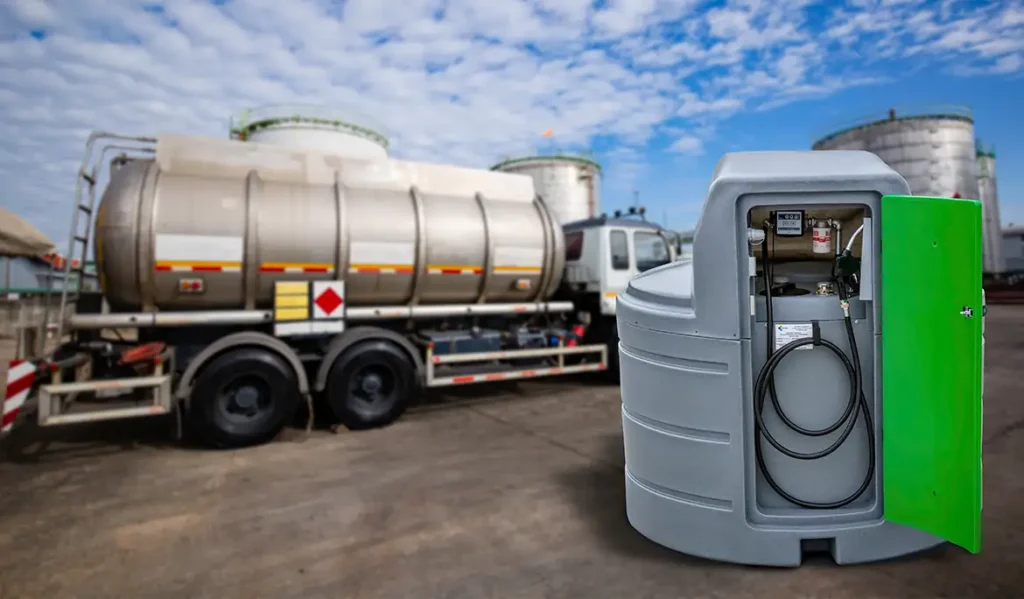
The tanks offered by Nolen.pl allow for safe, long-term fuel storage directly at the point of use. This solution is particularly important in situations where access to gas stations is limited or completely impossible.
The most important advantages of tanks:
- constant access to fuel in emergency situations
- independence from external suppliers
- the ability to quickly refuel equipment and vehicles
- fuel consumption control
- increased storage security
This allows users to react immediately, without wasting time on delivery logistics.
The use of tanks in crisis situations
1. Farms
Agriculture is particularly vulnerable to the effects of crises, from natural disasters to energy outages. Diesel tanks enable:
- uninterrupted operation of agricultural machinery
- quick response to weather changes
- securing harvests and production
2. Emergency services and public entities
Units such as the fire department, police, and municipal services must operate around the clock. Own fuel storage facilities ensure:
- 24/7 operational readiness
- no dependence on external infrastructure
- ability to operate in difficult terrain conditions
3. Businesses and critical infrastructure
Manufacturing, logistics, and energy companies also require business continuity. Fuel tanks allow for:
- power generators
- maintain production
- secure technological processes
Key features of Nolen.pl tanks
The products offered by Nolen.pl are distinguished by their high quality of workmanship and adaptation to the needs of users operating in demanding conditions.
It is worth paying attention to:
- durable, weather-resistant construction (PEHD)
- leak protection systems
- modern fuel distribution systems
- ability to monitor fuel level
- various capacities tailored to the user’s needs
Thanks to these features, the tanks are suitable for both everyday use and emergency situations.
How to choose a diesel tank?
Choosing the right tank should depend on several key factors:
- fuel demand – daily and monthly
- number of devices and vehicles supported
- available installation space
- fuel delivery frequency
- legal and safety requirements
A properly selected tank allows not only to optimize costs, but also to increase operational efficiency in crisis situations.
Why is it worth investing in fuel storage?
In the face of a growing number of threats – from extreme weather events to supply chain disruptions – investing in a diesel tank is becoming a strategic element.
Benefits include:
- greater energy independence
- operational security
- better preparation for crisis situations
- saving time and costs
This is a solution that works well both on small farms and in large enterprises.
Summary
Diesel fuel tanks offered by Nolen.pl are a crucial element of infrastructure supporting crisis management. They ensure constant access to fuel, increase safety, and enable rapid response in emergency situations.
In times of uncertainty and dynamic changes, investing in fuel storage is not only a matter of convenience, but above all, a conscious effort to ensure safety and operational continuity.